

What Is The Best Pressure Relief Cushion?
Quick answer: The best pressure relief cushion depends on your mobility and pain points. High-density and memory foam cushions provide excellent everyday posture support for office workers and drivers. Air-cell and gel cushions offer advanced tissue protection for high-risk wheelchair users. Always choose a design with a targeted cut-out if you need a cushion for tailbone pain.
Prolonged sitting places continuous stress on your skin and underlying tissues. Whether you work long hours at a desk, rely on a wheelchair, or are recovering from surgery, a hard seat quickly becomes a source of intense discomfort.
In the UK, adults average about 9.5 hours per day of sedentary time (British Heart Foundation, 2024). Over time, this inactivity restricts blood flow and can lead to severe tissue damage.
Finding the right support is a crucial step in protecting your health. In the UK alone, over 700,000 patients are affected by pressure ulcers every year [Wood et al., 2019]. Treating these injuries costs the NHS over £3.8 million every single day [Black, n.d.]. Fortunately, using a high-quality significantly reduces these risks. This guide will break down the clinical data and help you find the exact support you need for pain-free sitting.
What does a pressure relief cushion do for your body?
A is specifically engineered to redistribute your body weight across a wider surface area. When you sit on a standard chair, gravity forces your weight onto a few bony prominences, primarily your sit bones and tailbone. This concentrated force compresses blood vessels.
A pressure cushion prevents this localised compression. By contouring to your body, it shifts the load away from vulnerable areas, reduces friction, and allows blood to circulate normally.
This simple mechanism prevents the formation of pressure sores and drastically improves daily comfort.
Who benefits the most from using a pressure cushion?
Almost anyone who sits for long periods will notice an immediate improvement in comfort when using a quality support pad. However, specific groups find them essential for daily health:
-
Office workers: Professionals sitting for eight or more hours a day need a reliable pressure relief cushion for office chair use to prevent lower back fatigue and poor posture. Desk-bound professionals and drivers often experience sciatica flare-ups and lower back pain from poorly designed seating. The ideal orthopaedic seat cushion for office chair use features a sleek, non-medical aesthetic. An ergonomic desk chair cushion made of memory foam helps promote healthy spinal alignment.
The Putnams Sero Pressure Office Cushion acts as an excellent car seat pressure relief cushion, reducing numbness and tailbone tenderness during long commutes.
-
Elderly users: Ageing skin is thinner and highly susceptible to soreness. The best pressure relief cushion for the elderly at home focuses on extreme comfort and simple, non-technical designs. Seniors need an armchair pressure relief solution that does not make standing up more difficult. The Putnams Sero Pressure Cushion provides reliable, medical-grade support for rise-and-recliner chairs. Proxy buyers and carers should look for a portable seating cushion with a washable cover to maintain hygiene easily.
- Wheelchair users: Individuals with chronic conditions require high-specification pressure management. A medical-grade wheelchair pad must offer maximum immersion and pelvic stability. For those seeking wheelchair cushions for pressure sores prevention, the Putnams Theracube Cushion provides contoured wheelchair support. This wheelchair pressure relief cushion keeps the pelvis upright and minimises dangerous skin friction during transfers.
- People with back or tailbone pain: Those suffering from sciatica, coccydynia, or post-operative pain need a cushion for tailbone pain featuring strategic cut-outs to suspend the painful area in the air.
Different environments require vastly different seating strategies. A cushion designed for a dining chair will not adequately protect a full-time wheelchair user.
See also - Sciatica Seat Cushions - Do They Actually Help?
Which pressure relief cushion materials work best?
When deciding how to choose a seat cushion, you must conduct a basic pressure sore risk assessment. A healthy individual buying an office pad requires different specifications than a hospital patient.
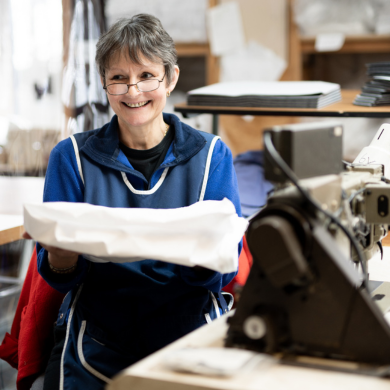
Understanding medical-grade vs retail seat cushions is vital. Retail cushions often use cheap, low-density foam that flattens within weeks. Medical-grade products, like ours, utilise high-density foam that maintains its structural integrity. Our products are handmade in Devon, UK, and are widely recommended by NHS trusts.
If you are wondering what is the best pressure relief cushion for sitting all day, review this comparison table to guide your purchase:
|
Cushion Type |
Best Suited For |
Key Benefit |
Recommended Putnams Product |
|---|---|---|---|
|
Standard High-Density Foam |
Office workers, drivers, low-risk seniors |
Posture support, tailbone relief |
|
|
Specialist Cut-Out Foam |
Coccydynia, postnatal pain, prostate pain |
Suspends painful areas |
|
|
Contoured / Wheelchair Pad |
Wheelchair users, high-risk patients |
Pelvic stability, high immersion |
|
|
Bariatric Support |
Plus-size individuals |
High weight capacity cushion |
You must also consider how thick a pressure relief cushion should be. A standard thickness of 3 to 4 inches provides adequate immersion for most users. Finally, always verify the breathable cushion cover and washability features. A removable, zipped cover ensures your seating environment remains hygienic over years of continuous use.
See also - Cushions for Wheelchair Users: Choosing the Right Fit
Are memory foam pressure relief cushions good for daily use?
Yes, a is an outstanding choice for low-to-medium risk users. Memory foam reacts to your body heat, softening and moulding perfectly around your unique shape. This custom fit relieves stress on your hips and spine.
Choose a memory foam option if your primary goal is posture correction or relieving general fatigue during the workday. For example, a memory foam wedge cushion gently tilts your pelvis forward, encouraging a natural spinal curve and preventing you from slouching over your keyboard.

How do you choose the right pressure relief seat cushion UK?
Selecting the comes down to matching the product's design to your specific physical requirements. Use these decision criteria to guide your purchase:
- Choose an anatomical cut-out design if relieving localised pain is your top priority. A coccyx cut-out removes all direct contact with the tailbone.
- Choose a firm, wedged cushion if you need to correct your posture while driving or typing.
- Choose the theracube cushion if you are a wheelchair user who cannot frequently shift your own weight.
- Choose a lightweight, portable foam cushion if you travel frequently and need versatile support for dining chairs, sofas, and car seats.
What are the best pressure relief cushions for everyday comfort?
If you are looking for a reliable option, Putnams offers a range of handmade, ethically crafted solutions trusted by healthcare professionals.
The Sero Pressure Cushion
The Sero Pressure Cushion is a highly versatile option for home, car, and office use. Made from high-density foam, it features integral pockets that allow air to circulate, preventing heat build-up. It is available with specialised cut-outs, including a coccyx cut-out version which serves as an exceptional solution. Customer reviews frequently praise this model for providing instant relief from sciatica and prolonged sitting discomfort.
The Putnams Memory Foam Wedge
If you struggle with lower back aches while driving or working, the Memory Foam Wedge is an ideal solution. By raising your hips above your knees, it restores the natural curve of your backbone. This use is highly recommended by osteopaths for maintaining spinal health during long shifts.
The Bonyparts Sero Pressure Cushion
Designed specifically for individuals who have lost weight or lack natural padding, the Bonyparts cushion features tailored cut-outs under the sit bones (ischial tuberosities). It provides targeted relief for elderly users or those experiencing muscle wasting, ensuring sensitive areas do not bear the brunt of the body's weight.
Sero Pressure Cushion - "Great cushion which offers great support when sitting on chairs following my hip replacement. Great service on ordering and promptly delivery. Would definitely recommend this business and this product." - James W
Your next steps for pain-free sitting
Investing in the right support protects your skin, aligns your spine, and dramatically improves your quality of life. Whether you need a simple wedge to correct your typing posture or a specialised cut-out to heal an injury, the right cushion makes all the difference.
Remember, while a high-quality cushion is essential, clinical guidelines emphasise pairing it with regular movement. Try to perform small weight shifts or stand up every two hours to restore blood flow [Fryer et al., 2022]. Explore our full range of Sitting Comfort Solutions to find the perfect fit for your daily routine.
See also - Coccyx Pain When Sitting: Why Pressure Ruins Your Sleep
Frequently asked questions about pressure relief cushions
How long do pressure relief cushions last?
A high-quality, high-density foam cushion typically provides excellent support for two to three years of daily use. You should replace your cushion if you notice it losing its shape, feeling lumpy, or failing to spring back after you stand up.
Can a pressure cushion cure my back pain?
While a cushion cannot cure underlying medical conditions, it significantly reduces the symptoms associated with poor posture and compressed nerves. By promoting better pelvic alignment and reducing downward force on the spine, it creates the optimal environment for your back to heal.
Are cut-out cushions actually effective for tailbone pain?
Yes. Cushions with a coccyx cut-out completely suspend the tailbone over empty space. This eliminates all direct surface pressure and friction on the injured area, making it one of the most effective non-pharmacological treatments for tailbone bruising or coccydynia.
What is the best pressure relief cushion for preventing bed sores?
The best cushion depends on the user's mobility. Low-risk users benefit from high-density memory foam, while high-risk individuals and wheelchair users require advanced contoured foam, gel, or air-cell systems to effectively redistribute weight and reduce interface pressure.
How do I know if I need a gel or memory foam pressure cushion?
Choose memory foam if you want personalised postural support and have a low-to-medium risk of skin breakdown. Choose a gel cushion if you tend to overheat while sitting, as gel dissipates body heat and provides superior shear force reduction.
Can a pressure relief seat cushion help with sciatica pain?
Yes. An ergonomic cushion with a specific rear cut-out removes direct pressure from the tailbone and sciatic nerve. This design promotes proper spinal alignment and reduces the compression that causes shooting nerve pain down the legs.
Are retail seat cushions as effective as medical-grade cushions?
No. Standard retail cushions typically use low-density foam that flattens quickly under constant body weight. Medical-grade cushions use resilient, high-density materials designed to withstand long-term use while consistently reducing interface pressure.
See also - How Cushions & Pillows Can Reduce Anxiety
Take this short quiz to find the best cushion for you.


From the blog
View all



Leave a comment