

Buckwheat Pillow vs Memory Foam Pillow: Which Is Better?
Waking up with a stiff neck and aching shoulders sets a terrible tone for the day. Poor sleep posture and unsupportive bedding quickly turn minor discomfort into chronic pain. If you want to wake up feeling rested and aligned, upgrading your sleep support is the first crucial step.
You might be asking yourself, are buckwheat pillows better than memory foam? Both options offer unique advantages for spinal alignment and muscle recovery. This guide will evaluate the buckwheat pillow vs memory foam pillow debate, helping you make an informed decision for your health and comfort.
What Is A Buckwheat Pillow?
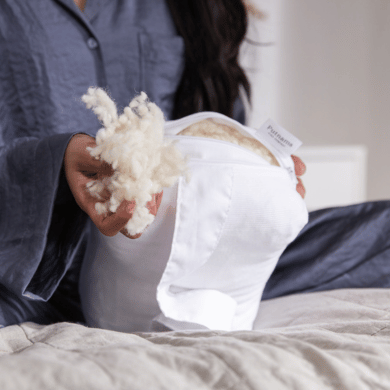
A buckwheat pillow is filled with the hard outer casings, or hulls, of buckwheat seeds. Used for centuries in Asia, these pillows provide a highly supportive, adjustable resting surface. The hulls interlock when pressure is applied, creating a stable shape that holds your head and neck in a neutral posture throughout the night.
One of the primary buckwheat pillow benefits is total adjustability.
You can easily unzip the casing to add or remove hulls, creating a custom fit tailored to your unique body shape. Hand-crafted options, such as our Organic Buckwheat Hull Pillow, use premium, cleaned hulls encased in breathable 100% cotton. This ensures a chemical-free, supportive sleep environment that directly targets posture-related discomfort.
According to an independent study of over 11,800 consumers by SleepLikeTheDead, buckwheat pillows boast the highest owner satisfaction rating of all pillow types.
See also - Why Customers Love Buckwheat Hull Pillows
What Is A Memory Foam Pillow?
A memory foam pillow relies on viscoelastic polyurethane foam, a synthetic material originally developed by NASA. This foam responds to your body heat and weight, slowly contouring to the exact shape of your head and neck. Once the pressure is removed, the material gradually rebounds to its original form.
Memory foam excels at pressure relief.
It provides a soft, cradling sensation that many find immediately soothing.
At Putnams, we offer dense memory foam neck pillows specifically designed for orthopaedic support, offering a reliable, pre-shaped contour for those who prefer a more structured, yielding cushion.
Buckwheat vs Memory Foam: Key Differences
When comparing a natural pillow vs memory foam pillow, several functional differences emerge. Understanding these distinctions is crucial for addressing specific sleep disturbances.
|
Feature |
||
|---|---|---|
|
Material |
Natural buckwheat hulls |
Viscoelastic polyurethane foam |
|
Support Style |
Firm, interlocking, and highly adjustable |
Soft, contouring, and yielding |
|
Temperature |
Excellent breathability and passive airflow |
Tends to absorb and retain body heat |
|
Lifespan |
5 to 10+ years (can be refilled) |
2 to 3 years (degrades over time) |
|
Initial Odour |
Earthy, natural scent |
May experience initial chemical VOC off-gassing |
Statistics consistently show that material durability varies significantly.
Research indicates that standard foam pillows generally lose their supportive integrity within 2 to 3 years.
Conversely, buckwheat hulls are highly durable, allowing the pillow to function effectively for up to a decade with occasional refilling.
What size pillow do you need - take our test today!
Which Pillow Is Better For Neck Pain And Side Sleepers?
Chronic neck and back pain affects roughly 20% of adults, often exacerbated by poor daytime office ergonomics. Your cervical spine must remain neutral during sleep to allow tense muscles to recover.
Finding the best pillow for neck pain depends heavily on your resting position. Side sleepers require a higher loft (thickness) to fill the gap between the shoulder and the ear, preventing the neck from tilting downwards.
A buckwheat pillow for side sleepers is highly effective because you can physically mould the hulls into a high, firm mound that will not collapse under the weight of your head.
A customer recently shared their experience with a Putnams buckwheat pillow: "This pillow is so good and has completely changed my sleep. It is as good all the previous excellent reviews say it is. It’s so good I’m buying my partner one and my daughter as they both have different sleeping issues which I think this pillow will greatly help." (Melanie A)
Conversely, memory foam provides excellent initial alignment but can compress too deeply as it absorbs body heat throughout the night. If you prefer memory foam, choosing a specially contoured cervical design is vital to maintain that essential shoulder-to-ear height.
See also - What Is The Best Pillow For Neck Pain?
Do Buckwheat Pillows Sleep Cooler Than Memory Foam?
Temperature regulation dictates the quality of your deep sleep cycles. A 2023 Gallup study revealed that 57% of adults report being too hot while sleeping at least occasionally.
Furthermore, over 60% of memory foam users report sleeping hot, as the dense cellular structure of polyurethane foam inherently traps body heat.
If you frequently wake up sweating, finding a cooling pillow for hot sleepers is essential.
Buckwheat pillows naturally excel in this area.
The cupped structure of the individual hulls prevents them from compressing completely flat, allowing continuous, passive airflow through the pillow. This mechanical ventilation dissipates body heat efficiently without the need for synthetic cooling gels.
Hot Tip - If you are finding that memory foam is the right product for you but are a hot sleeper, check out the Coolmax cover from Putnams.
See also - The Best Bedding for Hot Sleepers
How To Choose The Right Pillow For Your Sleep Style
Selecting the proper support system requires evaluating your specific physical needs, workplace habits, and personal preferences.
Use these criteria to guide your decision:
- Assess your primary sleep position: Side sleepers need a high, firm loft to keep the spine straight. Back sleepers require medium support that cradles the neck without pushing the head forward.
- Evaluate your temperature needs: If you run hot or experience night sweats, prioritise the breathable, natural airflow of buckwheat hulls. Although the Coolmax covers on our memory foam pillows do go some way to relieving the intrinsic issue common to all memory foam pillows.
- Consider your pain levels: If you need firm, unyielding support to correct posture from sitting at a desk all day, an adjustable hull pillow is ideal. If you require soft pressure relief for sensitive joints, dense memory foam may be more suitable.
- Factor in the adjustment period: We carefully monitor customer feedback to improve our products. Some users note that buckwheat hulls produce a rustling sound when shifting positions, which takes a few nights to get used to. Similarly, new memory foam can emit a temporary odour from off-gassing. Most sleepers report that the long-term pain relief far outweighs these brief adjustment periods.
Buckwheat Pillow vs Memory Foam Pillow FAQs
Why are people no longer buying memory foam?
Some shoppers are steering away from memory foam pillows due to a mix of concerns: heat retention, off-gassing from synthetic materials, and a shorter lifespan compared to natural alternatives.
Many side sleepers and those with neck pain report that memory foam can lose its supportive shape over time, especially if you sleep hot or need a loft that won’t compress overnight.
Others are simply looking for breathable, eco-friendly options, like buckwheat, organic wool or other natural fills, that offer both durability and customisable support without the use of chemicals.
Do chiropractors recommend buckwheat pillows?
Many chiropractors recommend buckwheat pillows for their ability to provide stable, adjustable support that helps maintain a neutral spine position, especially for side sleepers and those with chronic neck pain.
However, preference can vary depending on individual needs, so some professionals may suggest other pillow types or encourage patients to try different options to find the best fit for their posture and comfort.
"Buckwheat pillows provide adjustable, structured support that helps improve spinal alignment. Their breathable nature keeps sleepers cool while reducing pressure points, making them an excellent choice for long-term sleep health." Dr. James Carter, Chiropractor
What is the healthiest kind of pillow to sleep on?
The healthiest kind of pillow to sleep on is one that supports your neck and spine’s natural alignment, encourages restful sleep, and is made from materials that suit your sensitivities and comfort needs.
For many, natural options like buckwheat pillows rank high due to their adjustability, breathability, and lack of chemicals; memory foam pillows can also promote healthy sleep by providing custom contouring and pressure relief if you don’t overheat easily or react to synthetic materials.
Ultimately, the healthiest choice will depend on your sleep position, any existing pain, how warm you get at night, and your preference for natural versus synthetic materials.
The Right Pillow is the One That Supports You Best
Upgrading your sleep environment is a proven way to counteract the physical toll of office work. Whether you choose the customisable, organic support of a Putnams buckwheat pillow or the deep pressure relief of their contoured memory foam options, investing in your spinal alignment is an investment in your daily productivity and long-term health.


From the blog
View all




Leave a comment